Interesting facts about helium
Interesting facts about helium - the element that makes your voice funny.
Tìm kiếm phương trình hóa học
Hãy nhập vào chất tham gia hoặc/và chất sản phẩm để bắt đầu tìm kiếm
Helium is the first rare gas element in the periodic system table. Helium is used a lot in party balloons and makes your voice fun. Helium is used extensively in medicine, airplanes, rockets, frozen research, vehicle airbags ... The properties of helium make it indispensable and in many cases no substances found so helium.
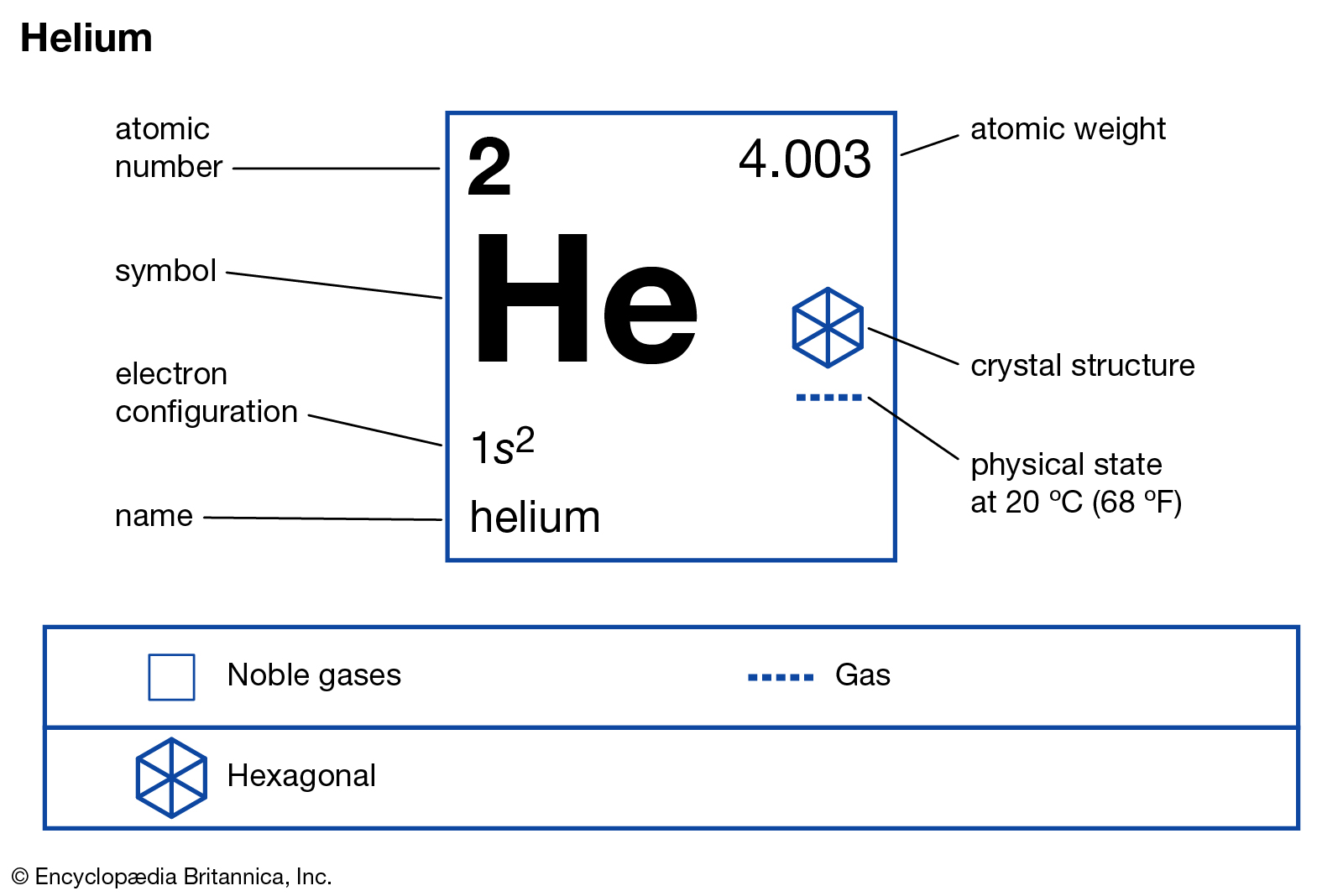
The position of helium in the periodic system table
Interesting facts about helium
1. The word helium comes from the Greek word meaning “sun” (helios). It was named by Joseph Norman Lockyer and English chemist Edward Frankland in 1868 after studies that led them to recognize the existence of helium in the Sun’s atmosphere.
2. Helium is second only to hydrogen in its abundance in the universe, making up approximately 24 percent of the universe’s mass.
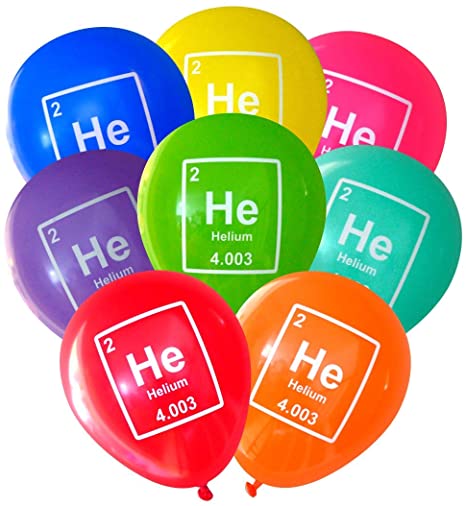
Helium is pumped in balloons
3. Helium exists in Earth’s atmosphere only because it is constantly resupplied from two sources – the decay of radioactive elements on Earth and cosmic rays. The helium we buy in cylinders is produced by the natural decay of radioactive elements in the Earth’s crust such as thorium and uranium.
4. Of all elements that exist in this universe, Helium has the lowest boiling point and lowest melting point.
5. Helium is often mixed with oxygen in scuba air tanks to dilute the oxygen.
6. Helium serves no biological function.
.jpg) Helium was discovered in the Sun’s atmosphere before it was found on Earth.
Helium was discovered in the Sun’s atmosphere before it was found on Earth.
7. Helium makes your voice sound higher because helium gas is less dense than air.
8. If you place a helium balloon inside a car and accelerate, it will move to the front of the car.
Tổng số đánh giá: 1
Xếp hạng: 4.0 / 5 sao
Một số định nghĩa cơ bản trong hoá học.
Mol là gì?
Trong hóa học, khái niệm mol được dùng để đo lượng chất có chứa 6,022.10²³ số hạt đơn vị nguyên tử hoặc phân tử chất đó. Số 6,02214129×10²³ - được gọi là hằng số Avogadro.
Xem thêmĐộ âm điện là gì?
Độ âm điện là đại lượng đặc trưng định lượng cho khả năng của một nguyên tử trong phân tử hút electron (liên kết) về phía mình.
Xem thêmKim loại là gì?
Kim loại (tiếng Hy Lạp là metallon) là nguyên tố có thể tạo ra các ion dương (cation) và có các liên kết kim loại, và đôi khi người ta cho rằng nó tương tự như là cation trong đám mây các điện tử.
Xem thêmNguyên tử là gì?
Nguyên tử là hạt nhỏ nhất của nguyên tố hóa học không thể chia nhỏ hơn được nữa về mặt hóa học.
Xem thêmPhi kim là gì?
Phi kim là những nguyên tố hóa học dễ nhận electron; ngoại trừ hiđrô, phi kim nằm bên phải bảng tuần hoàn.
Xem thêmNhững sự thật thú vị về hoá học có thể bạn chưa biết.
Interesting facts about hydrogen - the lightest element in the periodic table.
Hydrogen is the first element in the periodic system table. Hydrogen is known to be the lightest of all, the most abundant in the Universe, the essential element for life
Xem thêmInteresting facts about helium
Helium is the first rare gas element in the periodic system table. In the Universe, it ranks second in abundance after elemental hydrogen.
Xem thêmInteresting facts about lithium
Lithium is the alkali metal element, located in the third cell in the periodic table system. Lithium is the lightest of all solid metals and can cut a knife.
Xem thêmInteresting Facts About Beryllium
Beryllium is the lightest alkaline earth metal. Beryllium is found in precious stones such as emeralds and aquamarine. Beryllium and its compounds are both carcinogenic.
Xem thêmInteresting Facts About Carbon
Carbon is the non-metallic element in the sixth cell in the periodic system table. Carbon is one of the most important elements in all life, it is also known as the back.
Xem thêm